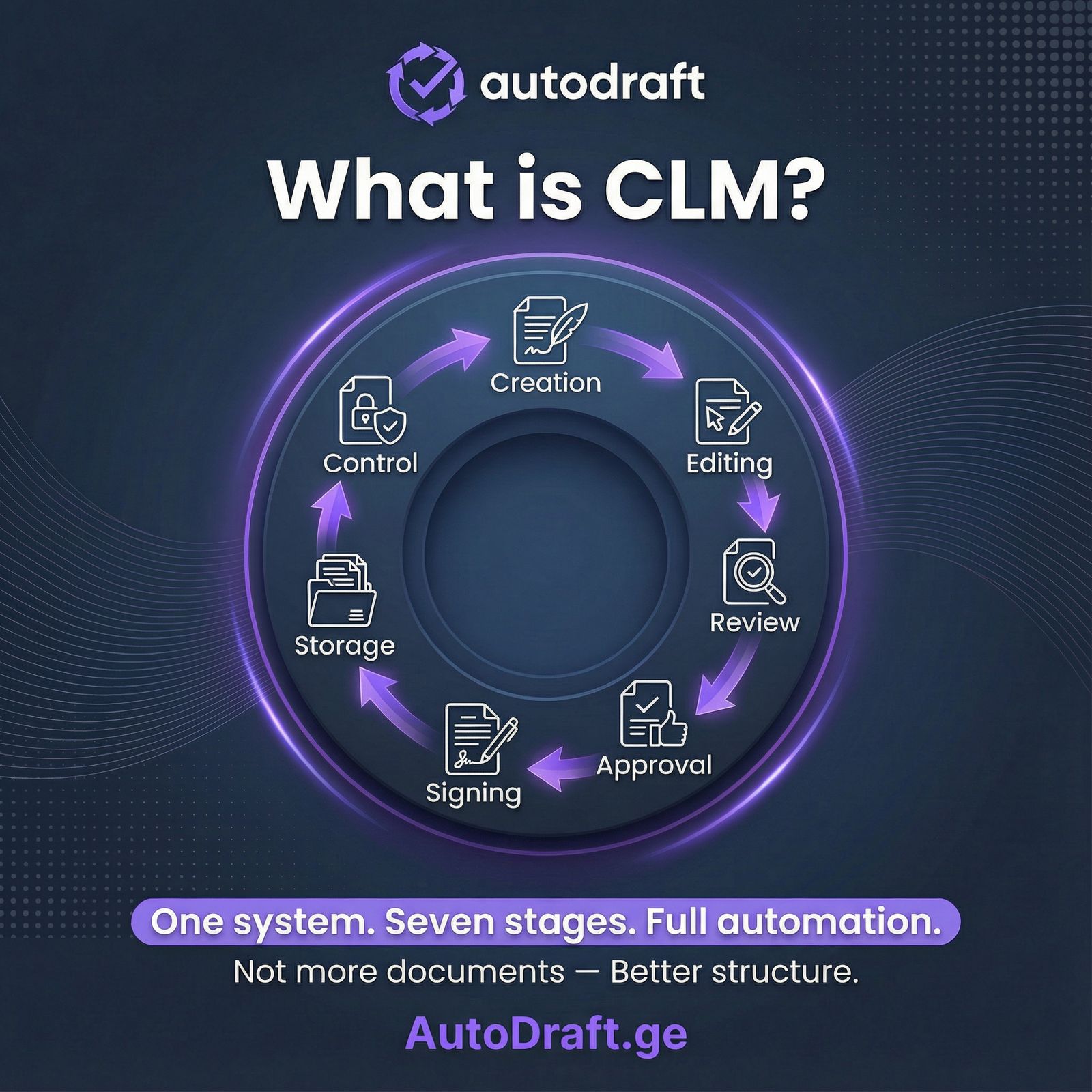
The contract lifecycle refers to the full journey a contract takes from the moment a business need is identified to the contract's signature and ongoing management. Rather than being a one-time legal task, contracts are part of a continuous process that directly affects operations, risk management, and decision-making.
Key Stages of the Contract Lifecycle
The lifecycle typically consists of several interconnected stages:
1. Contract Request & Planning
Every contract starts with a purpose. At this stage, businesses define the scope of the agreement, involved parties, timelines, and potential risks. Proper planning ensures that the contract supports business objectives from the very beginning.
2. Drafting the Contract
During drafting, legal and commercial terms are put into writing. This may involve using standard templates or tailoring clauses to specific transactions. Clear and well-structured contracts reduce misunderstandings and speed up later stages.
3. Review and Negotiation
Once drafted, contracts are reviewed internally by legal, finance, or compliance teams and negotiated with the counterparty. This stage often takes the most time, especially when multiple versions are exchanged without a structured process.
4. Approval and Signature
After negotiations, the contract requires internal approval. Once approved, it is signed — increasingly through electronic signatures — allowing the agreement to become legally binding without unnecessary delays.
5. Contract Management
The lifecycle does not end at signature. Businesses must monitor obligations, deadlines, amendments, and renewals to ensure compliance and avoid financial or legal risks.
Why the Contract Lifecycle Matters
A well-managed contract lifecycle improves efficiency, reduces risk, and provides better visibility across business relationships. Treating contracts as a dynamic process, rather than static documents, enables organisations to make faster and more informed decisions.